


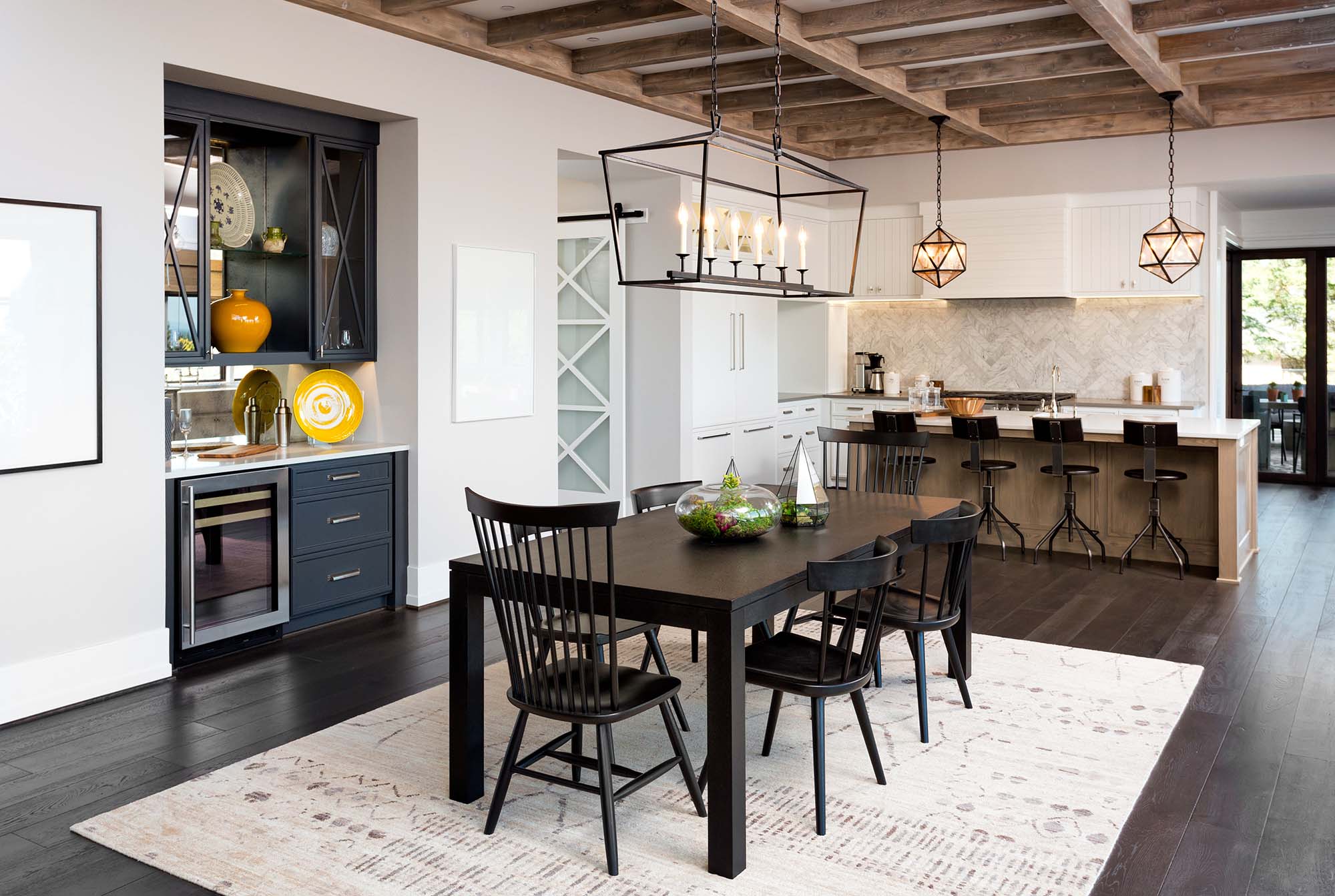
Lighting can change how a kitchen looks, how comfortably you work, and how finishes appear throughout the room. Yet it is easy to choose a fixture based mainly on its shape or finish and overlook the technical details that determine whether it will actually provide the right light.
A useful lighting buying guide should cover more than style. Before choosing the best lighting for your space, consider brightness, color temperature, color rendering, placement, controls, and the different activities the room needs to support. Current kitchen lighting guidance emphasizes layered illumination, with ambient, task, and accent lighting serving different purposes.
Start With the Job Each Light Needs to Do
A kitchen rarely benefits from one type of light doing everything. Ambient lighting provides general illumination, task lighting focuses on work areas, and accent lighting can highlight architectural or decorative features. Task lighting is particularly valuable beneath cabinets, where overhead fixtures can leave your countertop in shadow.
Pendant fixtures can provide focused illumination over an island while also becoming a strong visual element. When planning lighting, identify the areas where you prep food, cook, clean, eat, and socialize. Then consider which layer of light belongs in each location. This approach is usually more effective than simply adding fixtures wherever the ceiling has available space.
Pay Attention to Lumens and Color Temperature
Lumens measure the amount of light a fixture or bulb produces. Watts, by comparison, measure energy consumption, so a higher wattage does not automatically mean better illumination. Color temperature is measured in Kelvin. Lower Kelvin numbers produce warmer-looking light, while higher numbers appear cooler.
For residential kitchens, 2700K to 3000K is commonly recommended for a warm, comfortable appearance, although neutral temperatures can be useful for task-oriented areas. The key is consistency. Mixing noticeably different color temperatures throughout the same kitchen can make finishes and surfaces look mismatched.
Check CRI Before You Buy
Color Rendering Index, or CRI, describes how accurately a light source reveals colors. This matters in a kitchen because you are looking at food, cabinetry, countertops, flooring, paint, and hardware under the same lighting. A CRI of 80 or higher is commonly recommended for residential lighting, while 90 or higher can provide more accurate color rendering.
This becomes especially useful when your kitchen has carefully coordinated finishes. A cabinet color or countertop pattern can appear different under poor-quality lighting than it does under natural daylight. If you are investing in new materials, choosing lighting that represents those materials accurately is worth considering.
Choose Fixtures for the Space, Not Just the Style
A fixture can look perfect in a showroom or photograph and still be wrong for your room. Consider ceiling height, island dimensions, cabinet placement, sightlines, and the scale of nearby furniture. Pendant lights over an island need enough clearance for comfortable use without becoming an obstruction. Recessed lights should illuminate work areas rather than positioning you between the light and the counter.
Under-cabinet lighting should spread across the work surface instead of creating isolated bright spots. Also check whether fixtures are compatible with dimmers and whether bulbs can be replaced easily. Adjustable lighting gives you more flexibility when the kitchen shifts from food preparation to evening entertaining.
Let 2026 Lighting Trends Support the Design
Lighting trends in 2026 continue to favor layered plans and fixtures that contribute to the overall character of a room. Decorative pendants, integrated under-cabinet lighting, streamlined recessed fixtures, and statement pieces can all have a place when they serve a clear purpose. The best lighting trends are not necessarily the most dramatic ones.
A well-designed combination of practical task illumination and carefully selected decorative fixtures can make a kitchen feel cohesive without overwhelming the cabinetry or countertops. When selecting finishes, consider the other hardware in the room as well. Lighting does not need to match every metal exactly, but it should feel intentional within the larger palette.
Make Lighting Part of the Design From the Beginning
The best lighting plan is easier to create when it is considered alongside the cabinetry, countertops, appliances, and layout rather than treated as a finishing detail. Start with how you use the room, then select the brightness, color quality, fixture type, and placement that support those activities.
For homeowners planning a kitchen project, All Wood Kitchens & Closets can help you consider lighting as part of the broader design. Whether your project is in Davie, FL or across Broward and Miami-Dade counties, contact us today to discuss your plans and visit our showroom to explore finishes and design ideas in person. Bringing lighting into the conversation early can help you create a kitchen that looks good in photographs and works comfortably every day.
